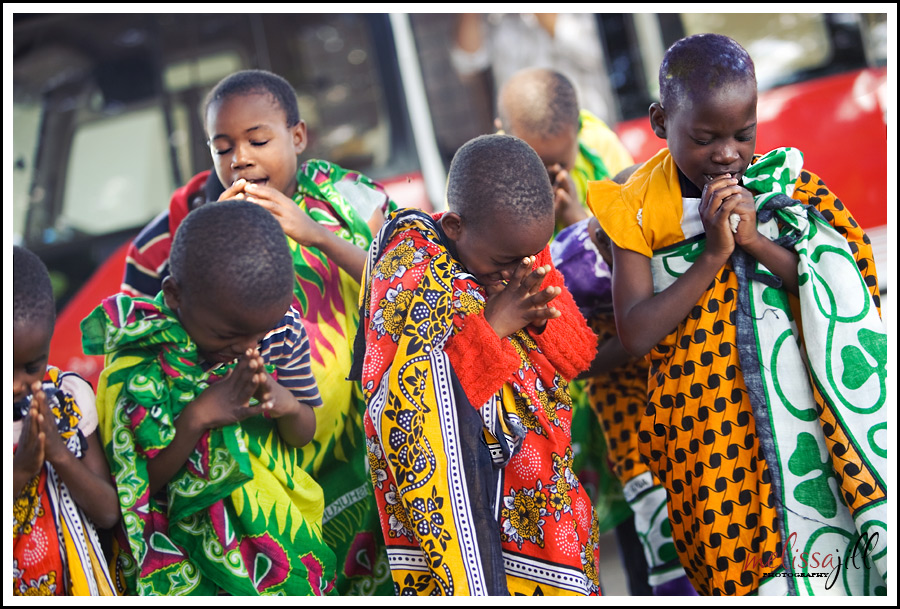
The first morning we were in Tanzania we visited one of two orphanages that we saw on our trip. The kids were unbelievably adorable and even dressed up and sang for us!
Before I get too far though, I want to introduce you to Todd and Ann, a sweet couple who have been working to bring clean water to Tanzanians for over five years. These two used to make six figures each in Michigan until they felt called to pack up and move to Tanzania. They are pretty remarkable and I felt so blessed to get to know them during the week we spent there. Todd and Ann were our contacts in Africa and did a ton of work to set things up for us so that all the logistics of our stay went smoothly.
Before I get too far though, I want to introduce you to Todd and Ann, a sweet couple who have been working to bring clean water to Tanzanians for over five years. These two used to make six figures each in Michigan until they felt called to pack up and move to Tanzania. They are pretty remarkable and I felt so blessed to get to know them during the week we spent there. Todd and Ann were our contacts in Africa and did a ton of work to set things up for us so that all the logistics of our stay went smoothly.

Todd and Ann oversee a workshop where hundreds of bio-sand filters -- like these two that bring clean water to the orphanage we visited -- are made every year.
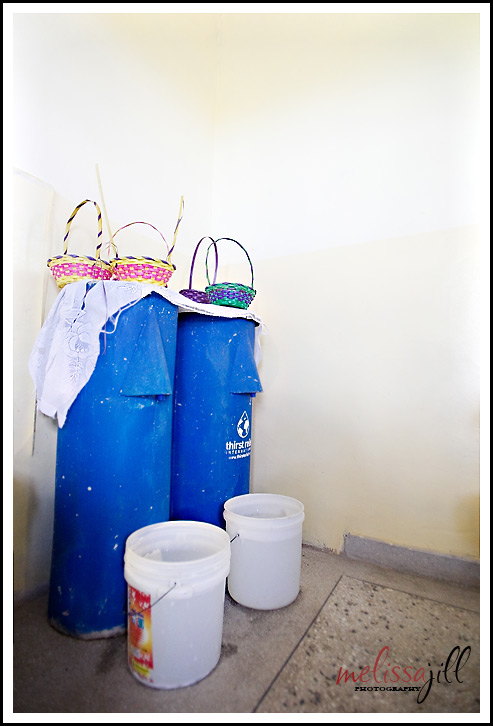
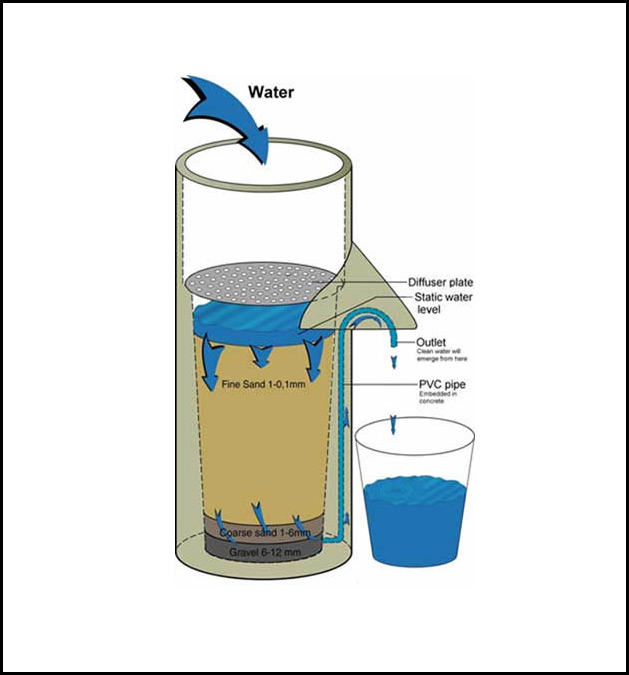
We learned a lot about these filters while we were there and even got a chance to help make them ourselves one day! Each filter costs $80 to make and brings clean drinking water to an average of 15 people. They are very simple in structure and consist of a concrete mold that houses a PVC pipe that brings the water from the bottom of the filter up to the spout you see sticking out over the buckets. When water is poured into the top of the filter it goes through a number of layers before reaching the piping at the bottom. The first is a diffuser plate with holes in it that filter out any large chunks. Next comes a large layer of fine sand. The top few centimeters of the sand trap the bulk of micro-organisms, which accumulate and develop into a highly active food chain, called a bio-layer. The bio-layer traps and feeds on the micro-organisms and contaminants in the water. Further filtration occurs in the lower layers of sand and gravel before the filtered water, that has been tested to be 99% bacteria-free, comes out the pipe. Wa-laa! No breakable parts and no filters that need to be changed. Genius:
Here's a few photos I took during our brief time at the orphanage:
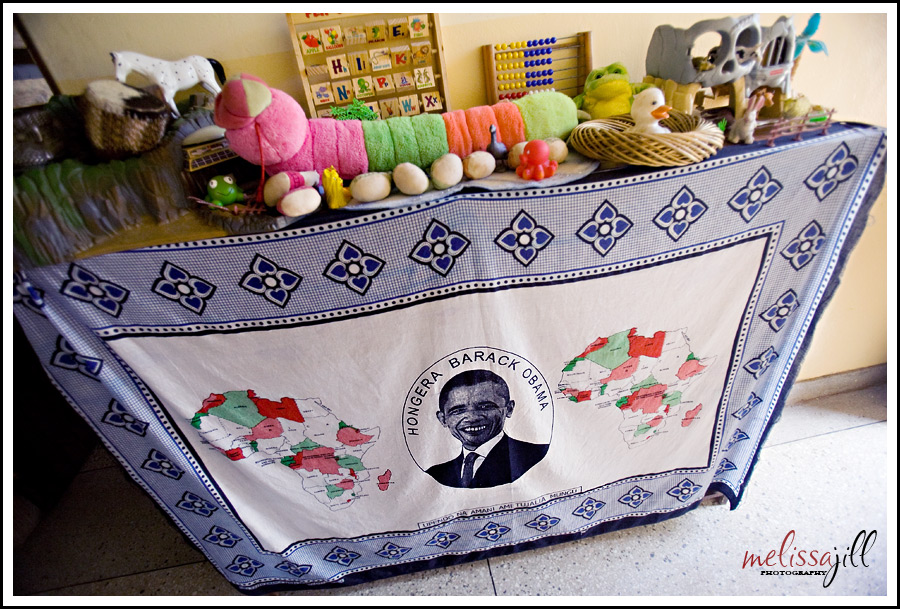
All of the Africans we met were big fans of our President:
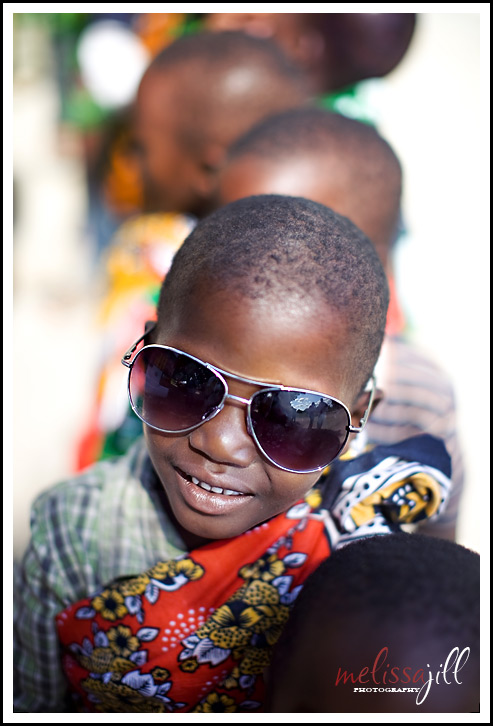
Phillip Glickman let this little guy try on his glasses and the kids got a kick out of it:
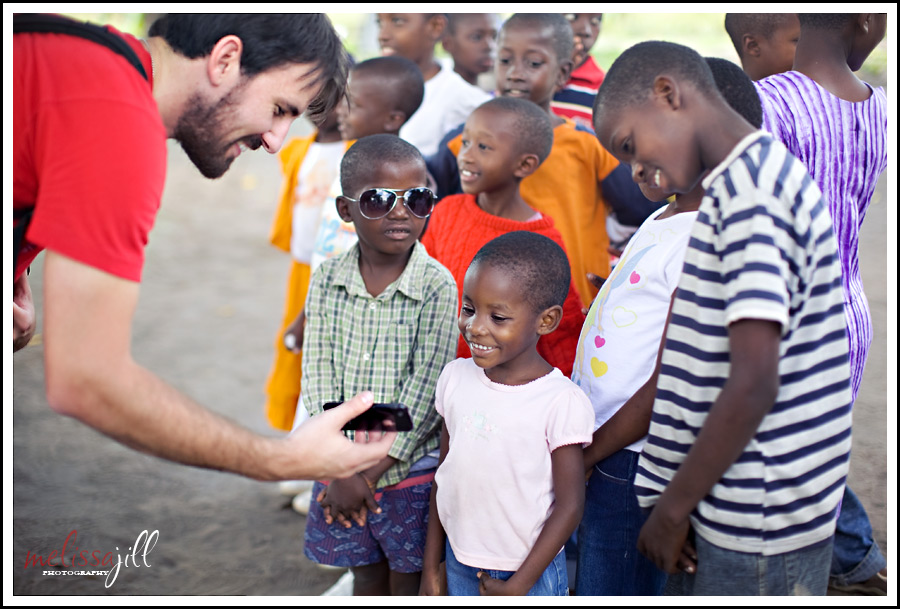
The kids all loved to have their pictures taken and then instantly wanted to see what they looked like. Score one for digital technology!
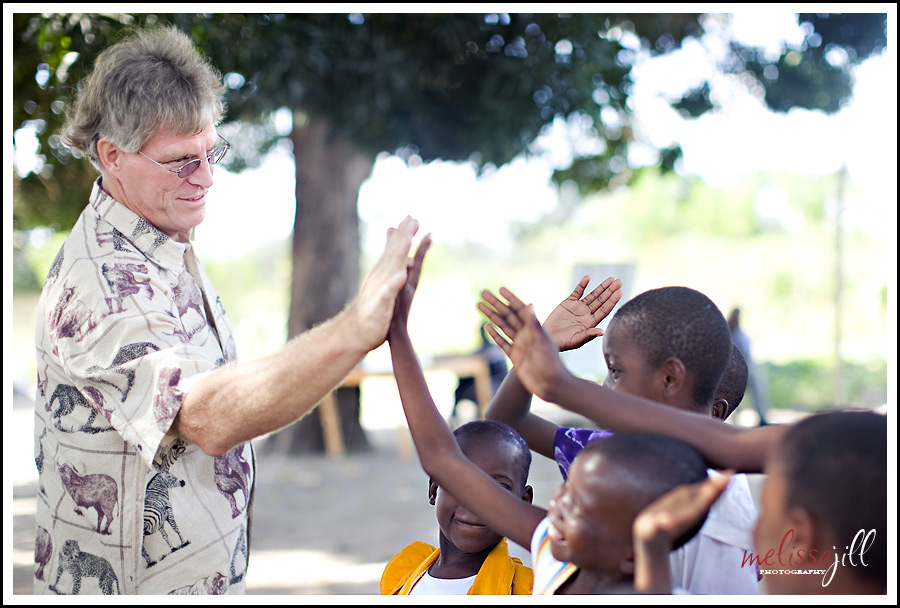
Todd loving on some of the kids:
So cute:

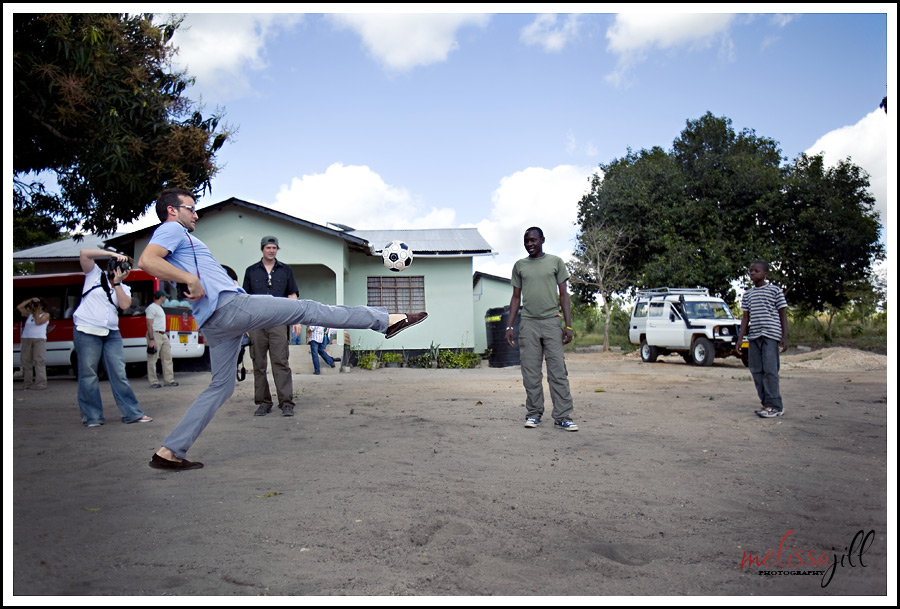
Some of the guys from our team kicked around a soccer ball with some of the boys. Check out Ben Harrison's awesome form. It's definitely not easy to do this with camera in tow:
I love this shot of a gorgeous little girl admiring her polaroid:

As I mentioned the kids all got dressed up and put on a show for us:
This little girl's name is "Happy."
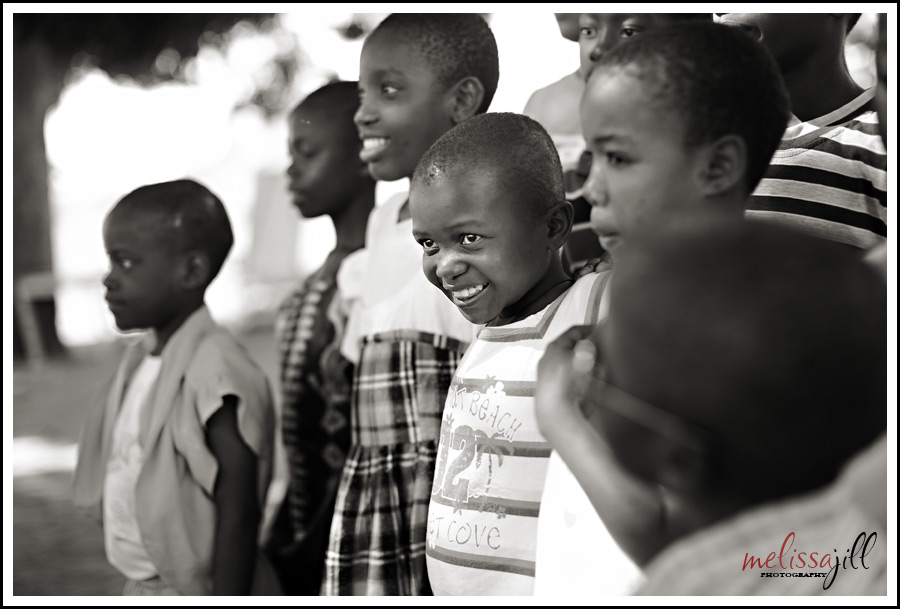
It's hard to believe but Happy is actually 15 years old. She is HIV positive. But her name describes her well. Her smile is just lights her up. I guess when she arrived at the orphanage, she was in rough shape. But thanks to the clean water and care of the orphanage she is now thriving. We learned that a large majority of Africans with HIV actually end up dying from a water borne illness since their bodies cannot fight off the bacteria. It was so exciting to hear about this tangible example of how clean drinking water has changed a life and brought hope!Have fun watching this clip of part of the kids' performance for us. Happy is the little one with the big smile at the end.
Orphanage in Tanzania from ben harrison on Vimeo.
Comments
If you liked this post, you might also like